
Thirdhand Damage and Personal Responsibility
Something to think about

A new peer-reviewed study from the Institute of Atmospheric Physics, Chinese Academy of Sciences (published here) uncovered the “lingering, evolving threat of ‘thirdhand smoke’ in our homes.” The smoke not only stinks, but it penetrates surfaces (walls, floors, furniture, clothing) where it leaves a residue that continues to pollute the atmosphere long after a smoker has left the scene. This residue continuously re-emits pollutants back into the air and undergoes chemical changes over time, creating a long-term exposure risk.
From an article summarizing the study:
A research team led by Professor Sun Yele from the Institute of Atmospheric Physics has, for the first time, mapped the real-time evolution of thirdhand smoke in indoor environments. Using advanced air monitoring technology, the team tracked both tiny particles and invisible gases released from contaminated surfaces.
The findings reveal a stark difference between secondhand and thirdhand smoke. While secondhand smoke particles fade quickly, thirdhand smoke maintains a stable, low-level presence in the air for extended periods. More importantly, the chemical “fingerprint” of the particles changes, indicating that the residue becomes more nitrogen-rich and potentially more harmful over time.
The study also identifies how our homes trap this pollution. Porous materials like wool carpets or fabric upholstery act as deep “reservoirs,” soaking in tobacco chemicals. These reservoirs then slowly release pollutants, making them resistant to simple airing out and prolonging contamination for hours or even days.
The research outlines a three-stage release pattern: an initial burst of gases, followed by a hours-long phase of steady release of nicotine-related compounds, and finally a long, slow “tail” of other chemicals.
“The key takeaway is that thirdhand smoke is not a static stain; it’s an active and ongoing source of pollution in a room,” said Professor Yele Sun, the study’s corresponding author. “The smoking session might end, but the release of hazardous compounds continues, exposing people to low levels of toxins long after the fact. This turns our homes into environments of chronic, low-dose exposure.”
How We Create Metaphorical “Thirdhand” Pollution
Gossip. Once unleashed, it never goes away. Perhaps for the person who first spreads it, there is a pleasurable feeling—power, revenge, importance. But once it is out there, it can poison whole groups and communities of people.
Rumors. When we “just vent” without sound fact-checked sources for our claims, they can spread like a game of Telephone. And every time they’re repeated, they gather power and spread toxins. Saying, “I don’t know the source” is not sufficient excuse for spreading information which may or may not be sound.
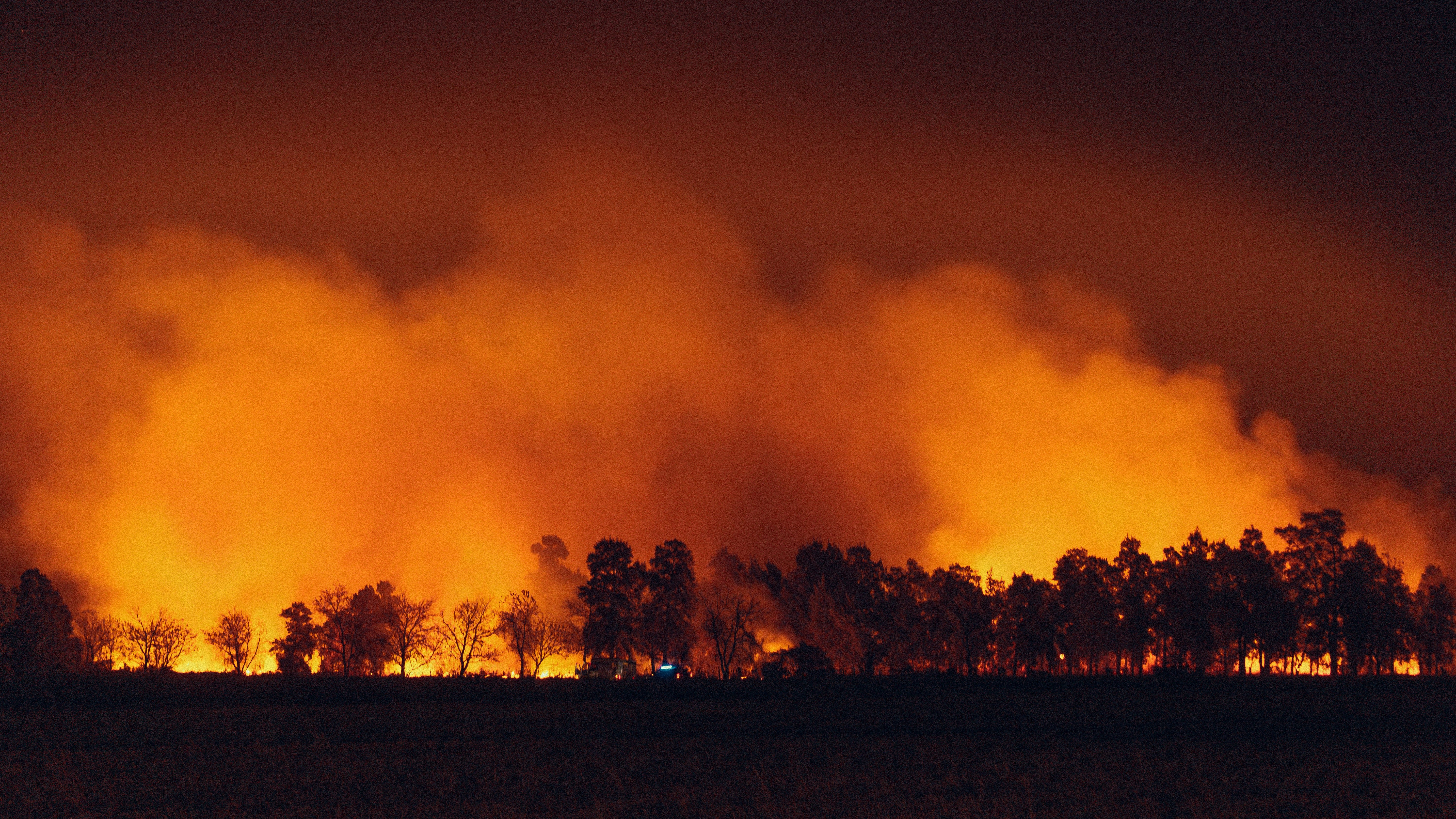
Disinformation. Name-calling. Whether we spread it intentionally or unintentionally, we are guilty. And right now it is actively destroying truth like a wildfire.
We currently have a US attorney who has claimed that she can start investigations based on suspicions and rumors (see Jeanine Pirro interview). We currently have a president who specializes in spouting unfounded suspicions and rumors attributed to “everybody knows.” We currently have major departments of the government with social media accounts run by social media “experts” hired off Twitter who are gushing out hyperbolic, toxic rivers of misinformation and accusations (see Ron Filipkowski, attorney and editor in chief of Meidas News; link may not work for nonsubscribers). So it is critical that We the People stop feeding this lie machine.
Betsy Robinson is an editor, fiction writer, journalist, and playwright (also a former actor). She has written about books for Publishers Weekly, Lithub, Oh Reader, and many other publications. Her novels Cats on a Pole and The Spectators were published by Kano Press in 2024. She writes funny stories about flawed people and examines our herd culture. www.BetsyRobinson-writer.com.